The United States is the top destination for students worldwide, offering a flexible education system, cutting-edge technology, and a chance to thrive in a land of endless opportunity. This guide covers everything Bangladeshi students need to know to start their American journey.
The United States remains the top choice for students globally, offering world class education and a path to a successful international career.
Academic Freedom: Explore different subjects before choosing a major. With over 4,000+ universities, you can find the perfect match for your goals.
Top-Tier Rankings: The USA dominates the global charts, hosting the majority of the world’s top 50 universities (including MIT, Harvard, and Stanford).
Career Growth: Gain real-world experience through OPT (Optional Practical Training), allowing you to work in the USA for up to 3 years after graduation.
Bangladeshi Community: Join a growing community; Bangladesh is currently one of the fastest-growing sources of international students in the USA.
Universities and colleges
international students
Per week while studying
Post-study work permit
Washington, D.C
Approximately 336 million people
Economic Growth Rate (2023)
English is the primary language
Los Angeles / Southern States
San Francisco / Coastal Areas
New York / East Coast
Chicago / Northern States
|
Intake
|
Start Month
|
Application Deadline
|
|---|---|---|
|
Fall (Major)
|
August / September
|
Nov – Jan
|
|
Spring (Secondary)
|
January / February
|
July – Sept
|
|
Summer (Limited)
|
May / June
|
Jan – March
|
The U.S. education system is designed to be progressive, allowing you to move from one level to the next or even transition into a different field of study.
|
Program Type
|
Duration (Full-Time)
|
|---|---|
|
Associate Degree
|
2 Years
|
|
Bachelor’s Degree
|
4 Years
|
|
Master’s Degree
|
1.5 to 2 Years
|
|
Doctorate (PhD)
|
4 to 6 Years
|
The UK is world-renowned for its specialized degrees, particularly in Business, STEM, and Healthcare. Many of these programs are shorter than in other countries, helping you start your career sooner.
Planning your academic journey in the United States requires a clear understanding of the financial commitment involved. Tuition rates vary based on the institution type and the specific field of study. Below is a breakdown of the estimated annual costs for international students.
|
Program Type
|
Average Annual Cost (USD
|
Annual Cost (BDT approx.)
|
|---|---|---|
|
Associate Degree
|
$10,000 – $20,000 Per year
|
1,221,000 – 2,442,000
|
|
Bachelor’s Degree
|
$12,000 – $40,000 Per year
|
1,465,200 – 4,884,000
|
|
Master’s Degree / MBA
|
$10,000 – $40,000 Per year
|
1,221,000 – 4,884,000
|
|
Doctorate or PhD
|
University-specific
|
University-specific
|
The USA is home to some of the world’s most vibrant and student-friendly cities. If you’re planning to study in the USA from Bangladesh, here are the top cities you should consider:
The intellectual capital with world-class academic institutions.

Global hub for finance, culture, and career opportunities.
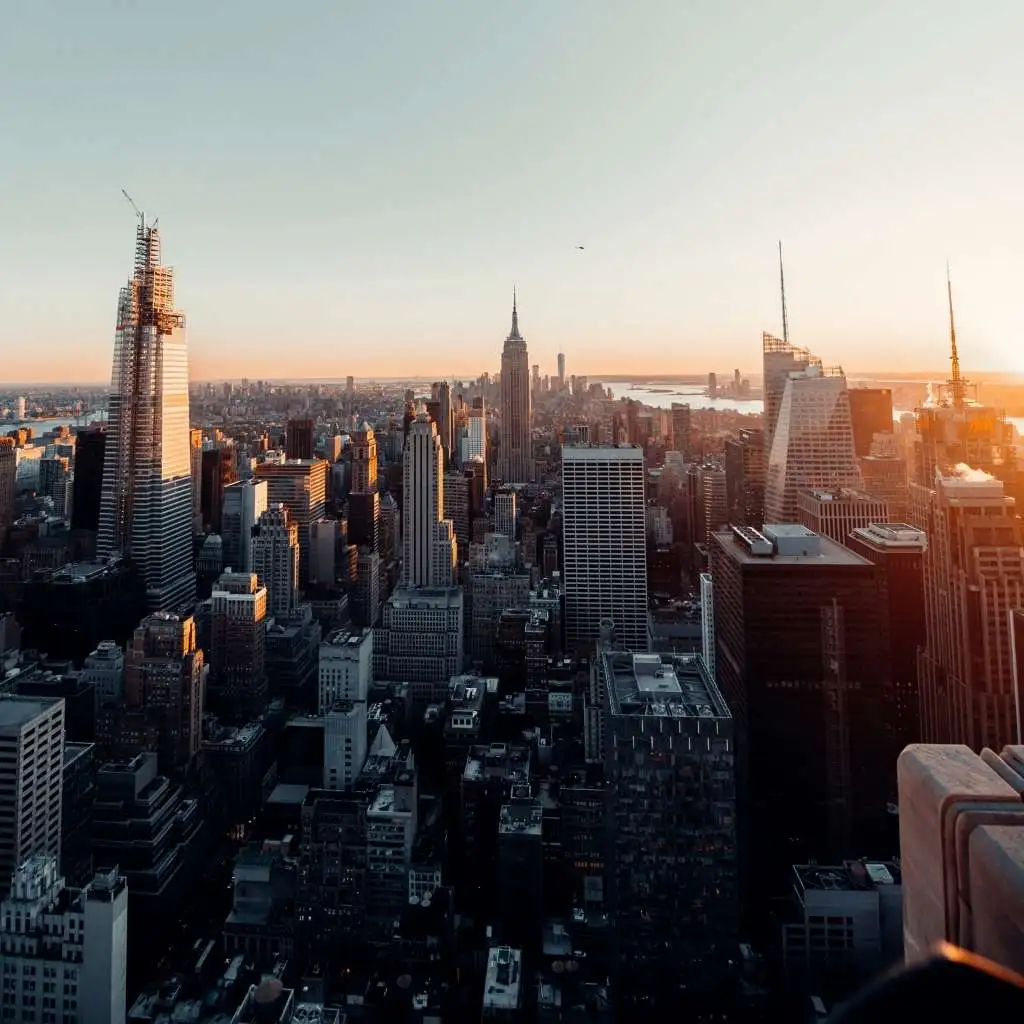
Leading center for technology, innovation, and startups.

Dynamic powerhouse for entertainment, media, and arts.

The intellectual capital with world-class academic institutions.
Global hub for finance, culture, and career opportunities.
Leading center for technology, innovation, and startups.
Dynamic powerhouse for entertainment, media, and arts.
Yes. As an F-1 student, you can work on-campus for up to 20 hours per week during semesters and full-time during scheduled breaks.
Some universities offer "Conditional Admission" or accept Medium of Instruction (MOI) certificates if your previous education was in English. However, a high IELTS/TOEFL score strongly improves visa success.
It is an official document issued by a US university certifying that you have been admitted and have shown enough financial support to cover your costs. You need this to apply for your student visa.
You must show liquid funds covering at least one year of total expenses (tuition + living costs) as mentioned on your I-20 form.
Yes. Most students are eligible for Optional Practical Training (OPT), which allows you to work in your field for 12 months. STEM students can extend this for an additional 24 months (3 years total).