
Canada offers a world-renowned higher education system, combining academic excellence with a diverse and inclusive cultural experience. This guide outlines the essential steps and information for international students planning to study in Canada.
World-Class Academic Excellence: Earn a degree that carries global prestige. Canada is home to 3 of the world’s top 50 universities and 10 of the top 250 (QS 2025), ensuring your qualification is highly valued by employers across the globe.
Top-Tier Student Cities: Experience life in some of the most livable cities on earth. Montreal, Toronto, and Vancouver consistently rank among the QS Best Student Cities, recognized for their safety, vibrant culture, and high quality of life.
A Global Student Community: Join a welcoming, multicultural network of over 1,000,000 international students. For Bangladeshi students, Canada’s inclusive society offers a “home away from home” and an unparalleled opportunity to build a global professional network.
Generous Funding & Career Opportunities: Access a wide range of scholarships and financial aid. From the Vanier Canada Graduate Scholarships to university-specific awards and post graduation work permits (PGWP), there are numerous options to support your education and long-term career goals.
World-class universities
international students
Off-campus work per week
Post-graduation work permit
Ottawa
Approximately 40 million people
Economic Growth
English & French
Toronto
Vancouver
Montreal
Calgary
|
Intake
|
Application Period
|
Classes Start
|
|---|---|---|
|
Fall
|
December – March
|
September
|
|
Winter
|
August – November
|
January
|
|
Summer
|
January – March
|
May
|
|
Program Type
|
Typical Duration
|
|---|---|
|
Certificate
|
6 Months – 1 Year
|
|
Diploma
|
2 Years
|
|
Advanced Diploma
|
3 Years
|
|
Bachelor’s Degree
|
3 - 4 Years
|
|
Post-Graduate Diploma
|
1 - 2 Years
|
|
Master’s Degree
|
1 – 2 Years
|
|
Doctorate (PhD)
|
3 – 6 Years
|
Canada offers high-quality education across a range of fields.
Fees vary significantly depending on the university’s prestige and the technical nature of the course.
|
Program Type
|
Amount in CAD (Average)
|
Annual Cost (BDT approx.)
|
|---|---|---|
|
Foundation Programs
|
10,000 – 15,000 per year
|
1,500,000 – 2,300,000
|
|
Undergraduate (Bachelors)
|
12,000 – 25,000 per year
|
1,900,000 – 4,000,000
|
|
Postgraduate (Masters)
|
14,000 – 28,000 per year
|
2,200,000 – 4,500,000
|
|
MBA Programs
|
18,000 – 40,000 per year
|
2,800,000 – 6,400,000
|
Canada features world-class cities that are consistently ranked among the best globally for safety, diversity, and career potential.
A cultural hub with excellent affordability.
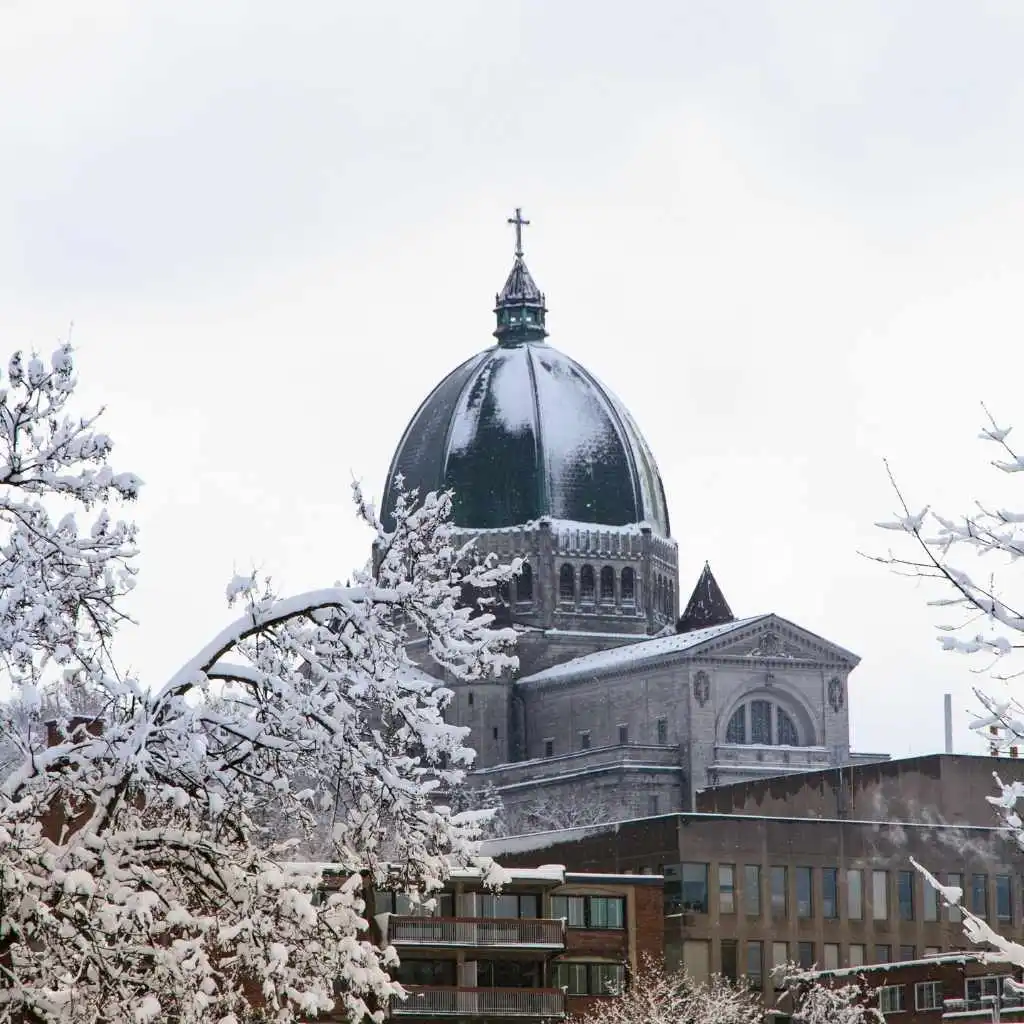
The top choice for career opportunities.

A premier hub for innovation and nature.

A safe, high-quality capital city ideal for policy and tech.

A cultural hub with excellent affordability.
The top choice for career opportunities
A premier hub for innovation and nature.
A safe, high-quality capital for tech.
Yes. Eligible international students can work up to 24 hours per week off-campus during academic sessions and full-time during scheduled breaks.
The Post-Graduation Work Permit allows you to stay and work in Canada for up to 3 years after finishing your studies, providing a bridge to permanent residency.
As of 2026, you generally need to show at least $20,635 CAD (plus tuition) to prove you can support yourself, though requirements in Quebec are higher.
Yes. Programs like the Study in Canada Scholarships and various university-specific awards offer funding ranging from $2,000 to $30,000 based on merit.
Spousal Open Work Permits are now primarily available to partners of students enrolled in Master’s (16+ months) or Doctoral programs.