
New Zealand offers a world-class education system set against a backdrop of stunning natural beauty and a high quality of life. This guide outlines the essential steps and information for Bangladeshi students planning to start their academic journey in the “Land of the Long White Cloud.
Fast & Efficient Visa Processing: Experience a streamlined application process. In 2026, New Zealand student visa turnaround times are as quick as 2 to 3 weeks, significantly faster than many other top study destinations.
Affordable Pathway to Excellence: Save on initial costs without compromising quality. New Zealand’s student visa fees are nearly 50% lower than Australia’s, and all 8 of its public universities rank in the top 3% globally (QS 2026).
Extended Post-Study Work Rights: Secure your future with a 3-year Post-Study Work Visa for eligible graduates. This allows ample time to gain international experience in high-demand sectors like IT, Healthcare, and Engineering.
Superior Work-Life Balance: Earn while you learn with increased flexibility. International students can now work up to 25 hours per week during term time and full-time during holidays, helping to manage living costs in a safe, peaceful environment.
World-class universities
international students
Per week while studying
Post-study work permit
Wellington
Approximately 5.3 million people
Economic Growth (2026)
English & Māori
Auckland
Wellington
Christchurch
Dunedin
|
Intake
|
Semester
|
Application Deadline
|
Classes Begin
|
|---|---|---|---|
|
February
|
Semester 1 (Primary)
|
October – December
|
Late February
|
|
July
|
Semester 2 (Secondary)
|
March – May
|
Mid-July
|
|
November
|
Summer Intake (Minor)
|
August – September
|
Early November
|
|
Rolling
|
Vocational/Private
|
Year-round
|
Various
|
New Zealand offers a flexible education system ranging from short certificates to advanced degrees. Programs focus on both practical skills and academic quality, with study times depending on your chosen level and subject.
|
Qualification
|
Program Level
|
Duration
|
|---|---|---|
|
Certificates
|
Level 3–4
|
6 months – 1 year
|
|
Diplomas
|
Level 5–6
|
1 – 2 years
|
|
Bachelor’s Degree
|
Level 7
|
3 – 4 years
|
|
Graduate Diploma
|
Level 7
|
1 year
|
|
Postgraduate Diploma
|
Level 8
|
1 year
|
|
Bachelor’s Honours
|
Level 8
|
1 year
|
|
Master’s Degree
|
Level 9
|
1 – 2 years
|
|
Doctoral Degree (PhD)
|
Level 10
|
3 – 4 years
|
New Zealand’s top programs are closely aligned with its “Green List,” offering international students clear pathways to residency and high-demand careers. These courses combine academic theory with practical, industry-linked training.
|
Program Level
|
Annual Cost (NZD)
|
Annual Cost (BDT approx.)
|
|---|---|---|
|
Diploma / Certificate
|
$18,000 – $25,000 per year
|
1,300,000 – 1,800,000
|
|
Bachelor’s Degree
|
$32,000 – $45,000 per year
|
2,300,000 – 3,250,000
|
|
Master’s Degree
|
$30,000 – $48,000 per year
|
2,150,000 – 3,450,000
|
|
Doctoral (PhD)
|
$7,000 – $10,000 per year
|
500,000 – 720,000
|
New Zealand offers a range of student cities, from bustling metropolitan hubs to quiet, dedicated “student towns.” Your choice will likely depend on your course, budget, and the lifestyle you prefer.
Largest city, major job hub, multicultural.

Capital city, creative arts, compact & walkable.

Innovation & engineering hub, affordable living.

Traditional “student town,” vibrant campus life.
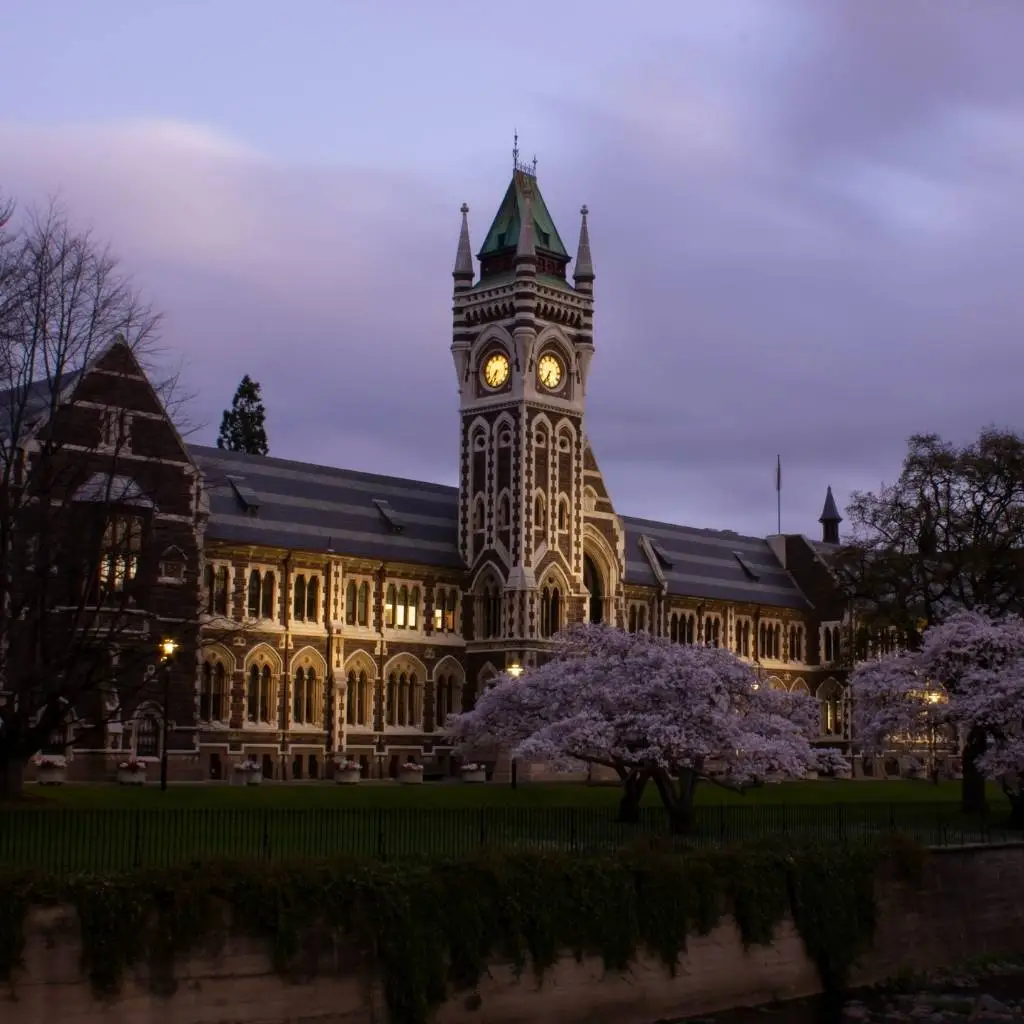
Largest city, major job hub,
multicultural.
Capital city, creative arts, compact & walkable.
Innovation & engineering hub, affordable living.
Traditional “student town,” vibrant campus life.
While not strictly "mandatory" for every single case, almost all New Zealand institutions require an English proficiency test like IELTS, PTE, or TOEFL. A score of 6.0 (Undergraduate) or 6.5 (Postgraduate) is standard.
If you complete a Level 7 degree or higher (Bachelor's, Master's, or PhD), you are typically eligible for a 3-year Post-Study Work Visa, allowing you to gain professional experience in the country.
Yes. There are government-funded awards like the Manaaki New Zealand Scholarships, as well as various university-specific international excellence scholarships that can cover up to $5,000 – $10,000 NZD of your tuition.
Only if you study a Master’s or PhD, or a Level 7/8 course on the Green List. They receive an open work visa.
Yes, provided you can explain them. Gaps are usually fine if you were working or gaining relevant skills during that time.